The Real Photography Business Strategy for Success?
Find Your Niche.
Adrian I. Barnett (LSWPP, SICIP)
Adrian Barnett is an accomplished Advertising, Business & Commercial photographer. Known for his cinematic visual style, his work has been published across Europe and North America. He is known for his thought-leadership articles encouraging Creativity and warning against the perils of relying on AI. He is also qualified in Marketing, Campaign Planning and Copywriting with the Chartered Institute of Marketing.
 Adrian I Barnett - PhotographerAdrian I Barnett - Photographer
Bergit Barnett (SWPP, SISEP)
Bergit Barnett brings a unique blend of creativity and business expertise to photography. She holds a Master’s Degree in Business & Economics and is also a qualified Coach & Mentor - accreditation she uses to help other photographers build successful businesses to suit their lifestyles.
 Bergit Barnett - Advertising, Brand and Commercial PhotographerBergit Barnett - Advertising, Brand and Commercial Photographer
Adrian & Bergit Together
Together, they train and mentor both new and established photographers, equipping them with the creative and business skills to build profitable, sustainable practices in their chosen genres. They run a Facebook Group - The Photographer’s Gym™ - where they are building a creative community of growth-focused photographers. Contact them there and introduce yourself!
They are also the producers of The Astute Business Creator Course - an accessible, on-line program, to equip talented photographers with the essential business skills they need to thrive.
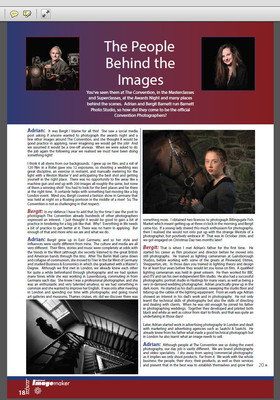 The People Behind The ImagesThe People Behind The Images
Astute Business Creator
Where to Start?
So, you want to be a photographer? Or you are already there but not sure quite which direction you are going in? Something you want to do or something that brings you profits and a nice lifestyle?
We've all seen the claims of how some particular branch of photography is the easiest to make quick money in - Weddings, Pet Portraits, Trash-the-Dress, Cake Smashes - they have all been promoted as the next big money-spinner in photography with bug bucks to be earned. And so many people climb on the bandwagon that it topples over. Not so many years ago the wedding market was saturated to the point of drowning with people offering a whole day of photography for less than the price of one hour of commercial photography, and promises of thousands of images from the day. And yet, there were many pro photographers who would never want the hassle of a wedding. They were making a good living by doing what they did best!
There was no reason to start chasing the latest craze and competing with everyone else!
Every few years, a new “hot” photography genre starts making the rounds—Brand Photography, Drone Shots, Content Creation for "Influencers". It’s tempting to pivot into the latest trend because it looks profitable or everyone’s talking about it. But chasing trends without understanding the real needs behind them usually backfires.
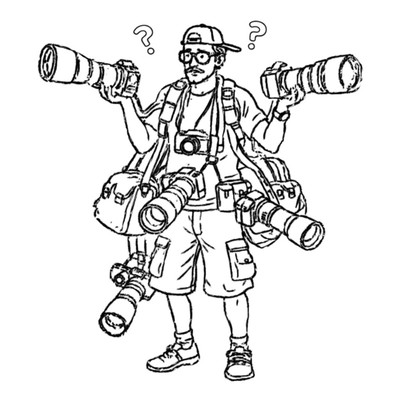 All The Gear And No IdeaAll The Gear And No Idea
For example, “Brand Photography” isn’t just taking pretty photos of someone at a laptop. Photographers click away for local businesses without any real knowledge of the art of creating a brand or the intricacies of the advertising industry. They attempt to create images without knowledge of specific positioning or emotional reaction. And it gets a bad reputation. There are so many nuances and psychology in marketing brands. It’s visual storytelling tied to strategy, marketing goals, and audience insight. If you don’t understand what a specific brand is trying to say—or how those images are meant to function—you’re just taking portraits with a new label.
Then came the baby photographers without a clue as to how to handle these delicate little people when propping them into different poses. Extremely dangerous unless you have had some prior training. Suddenly loads of people bought cameras and thought they would make big money photographing endless offspring! In some towns the number of baby photographers seemed to exceed the number of babies to photograph! Or, at least, sometimes it appeared that way.
People who followed these trends told Bergit and myself they had tried various things that had failed - so the fault must lie with their photography - and that simply wasn't the case.
That may sound a bit harsh - but it's our observations of the industry over many years, and we've seen the trends come and go - and come back again. We know how this plays out.
Many photographers start off chasing every opportunity—weddings, portraits, product shoots, events—believing that casting a wide net guarantees more work. But the result? Burnout, inconsistent income, and a portfolio that struggles to stand out. You may be good as a general handyman around the house - but when a building job requires a complete new roof, extension build or house re-wire, then you call in the experts in their particular area of proficiency.
Clients Don’t Hire “A Photographer.”
They hire "Wedding" photographers. "Commercial" photographers. "Property" photographers. They search for the specialist that matches their needs. Because if you were getting married, would you want someone who “also shoots weddings on the side”? Or someone who lives and breathes them?
A niche brand instantly signals credibility. It builds trust before you even say a word. It tells potential clients, “This is what I do best.”
Now imagine being known as the photographer for a particular niche. Clients seek you out, your prices reflect your experience, and referrals roll in because your work speaks to a specific, emotionally connected audience. You work less, earn more, and build a recognisable brand.
Specialising in a niche sets you apart in a saturated market. It allows you to refine your craft, target marketing with precision, and command premium pricing. Want to thrive as a photographer? Pick your niche and own it.
You have limited time and money. You can't market yourself everywhere, on every channel. If you know what you do best, and where your clients are, then you can concentrate on making that area of marketing work for you. That's where you can stand out.
And when you stand out, you can charge more. You get referred more. You grow faster—with less hustle.
Most people say they find marketing a chore - and they resort to marketing formula templates, where everyone is saying something similar. You don't need to do this! Although you will still need to market yourself to a certain extent, you won't find it so intensive. There are no magic "scripts" or "templates" that you follow like a magic spell. You shouldn't be using pre-written content that makes you sound the same as your competitors! If you are authentic and engage with people then it all becomes natural. Just look at the advertising world. It's the brands that are different that stand out and get noticed.
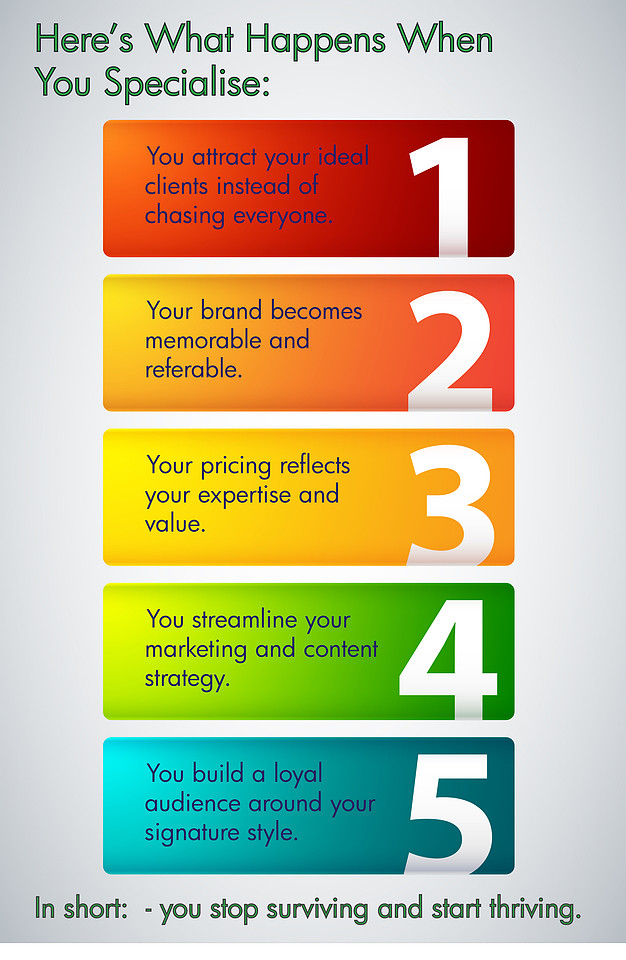 What Happens When We SpecialiseWhat Happens When We Specialise
So, how exactly do you know what direction to go in?
That's where we teach all our mentees about SWOT. Strengths, Weaknesses, Opportunities and Threats.
If you start by focusing on what you are good at, then you've got a head start. Find your niche by doing something you feel comfortable with and not just because you think there's money to be made. That's the wrong motivation. If you are not comfortable with organising people and getting the best out of them, especially when they may be in high-spirits, then the job of a wedding photographer is not for you! But if you love people and can effortlessly direct people then it may be more productive and satisfying for you than endless studio shoots.
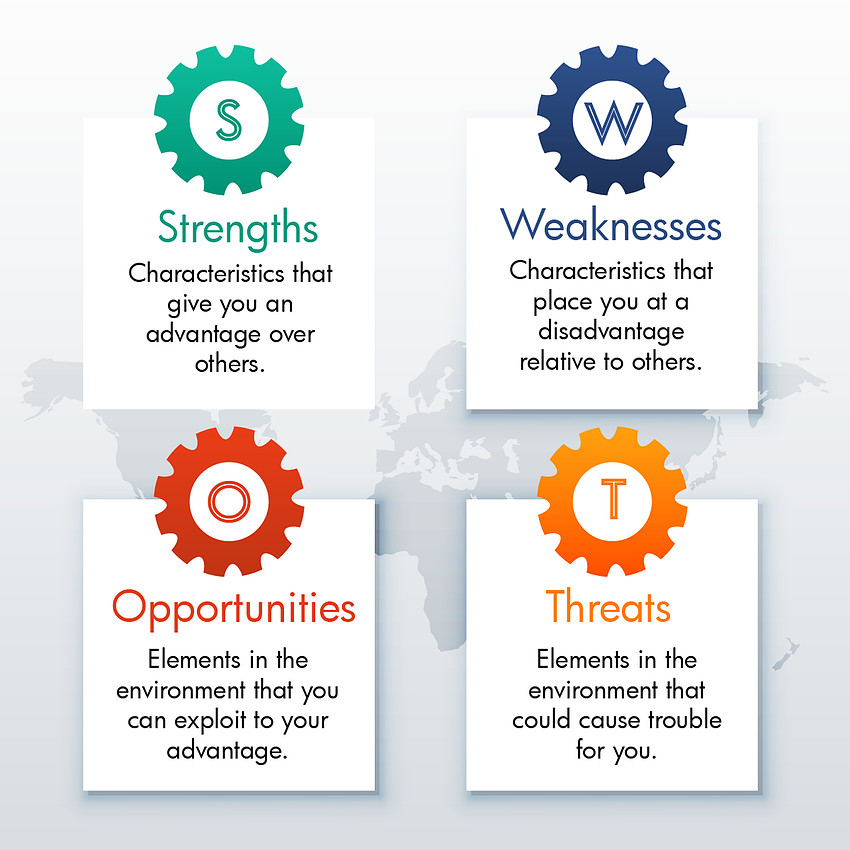 SWOT AnalysisSwot Analysis Diagram
Personally, Bergit and myself love shooting on location, and myself especially I love to light a location like a film set: and all the challenges that this entails. I know that would really scare some people! In a studio you have far more control which may be better for people who don't like the stress — but location shooting helps stimulate my creativity. I usually prefer the studio for product shoots. I like to challenge myself and live dangerously, and our clients come to us because our shoots look like they are not done in a studio. That's a selling point for us - but there is no right or wrong - only what is right or wrong for you and your strengths.
Weaknesses are part of this. And you need to know where your failings are, and work on them. There is an aspect of my photography that I know I am not great in. I'm not going to divulge it here: but I am aware of it and working to improve it.
The Opportunities are also important. Not only do you need to find a gap in the market - but also to identify a "market in the gap". Is there really a need for the service you may think is wonderful? Most of us have seen "Dragon's Den" or "Shark Tank" and the entrepreneurs think they have something wonderful, but the knowledgeable investors are not so convinced. You may need to do some research on your opportunities.
Then along come the "threats". They come in many disguises - but usually they are people jumping on to what you are doing and saying they can do exactly the same - only cheaper. Don’t forget innovation is hard, imitation is easy. Everyone can be a cheap copy of something already out there - but if you can create originality you can command a premium. There is value in scarcity.
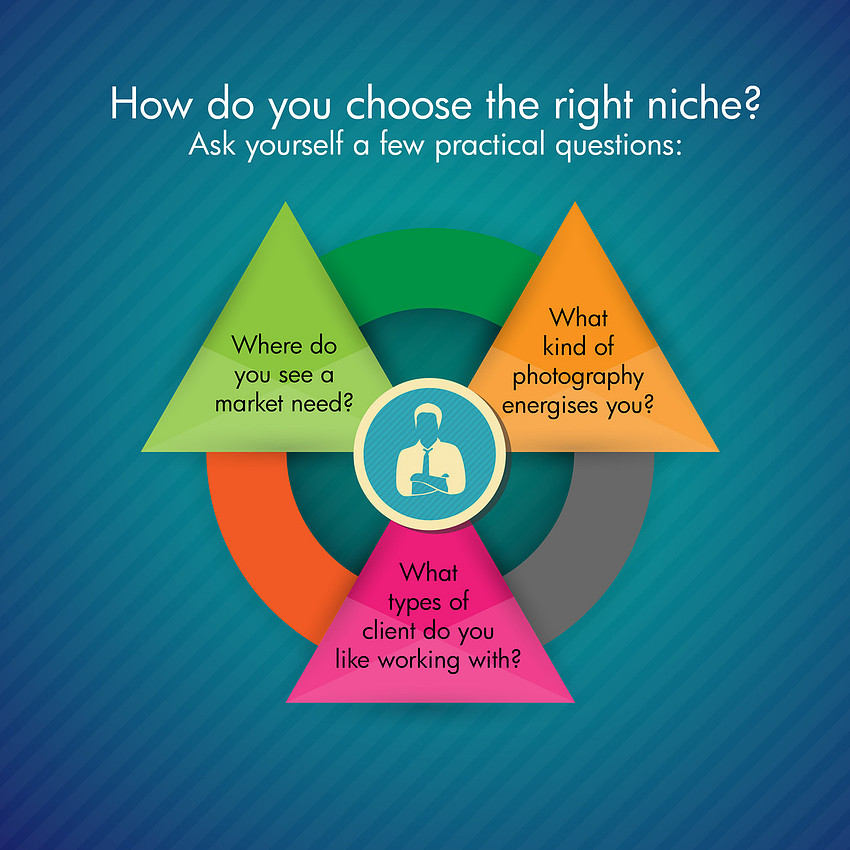 How to Choose The Right NicheHow to Choose The Right Niche
By this we mean that you not only have identified a space - but is there a reason that there is a space there? Maybe it has been tried before and just not caught on? It's not difficult to do a bit of research.
Of course, a niche doesn’t have to be forever—it can evolve. Don’t worry about going into something and committing yourself to that forever. You’re still allowed to shoot other things. You’re still a creative. But your brand leads with clarity, not confusion.
When we shoot for businesses, the film and cinema background knowledge comes in useful for the look and feel of the composition and lighting, along with the advertising and branding experience. So, when we do "headshots" - we prefer to call them "Professional Business Portraits" — they have an intention behind them, to evoke a particular emotion, and portray the sitter with their personality, they don't all look like the same, boring, endless headshots / mugshots. They have a niche difference, and that's why people come to us for their portraits. If you can create something different from what is offered elsewhere then you are already ahead!
Barnett Photo Studio has evolved over time by responding to demand - exactly as my late father did when he was running his film business. We didn't follow the latest trends but we pro-actively responded to the way that the markets were - and also created our own demand by careful positioning. Dad didn't go into endless formulas, but he had an instinct for staying on top. He didn’t follow, but looked at where the possibilities might be. Just having that slightly different mindset can help tremendously. It’s something we love doing with the people we coach.
I've applied the same philosophy to how my wife and work today. We have learned on the job, as well as having good mentoring ourselves. Having an external eye has proved invaluable. It's important for every business to have a bit of coaching, and some on-going mentoring.
How many people know the difference between a Coach and a Mentor?
 Astute Business CreatorAstute Business Creator
What we've learned is also knowledge we pass on to others who we also coach or mentor. It's a two-way process. We've worked out what we do best and where we are happy, but we've often been persuaded to go in particular directions in the past - and it's sometimes proven to be bad advice. It took a long time to learn this, so don't beat yourself up about it - but don't listen to hearsay advice either! If you hear someone say that this or that genre is the way to get the money flowing - then be very wary! What works for one person probably won't work for you.
There’s nothing wrong with exploring new directions. But don’t build your brand around a trend just because it’s being talked about today. Build it around what you actually understand, enjoy, and can deliver well. That’s what creates a lasting business—not hype.
Astute Business Creator
